
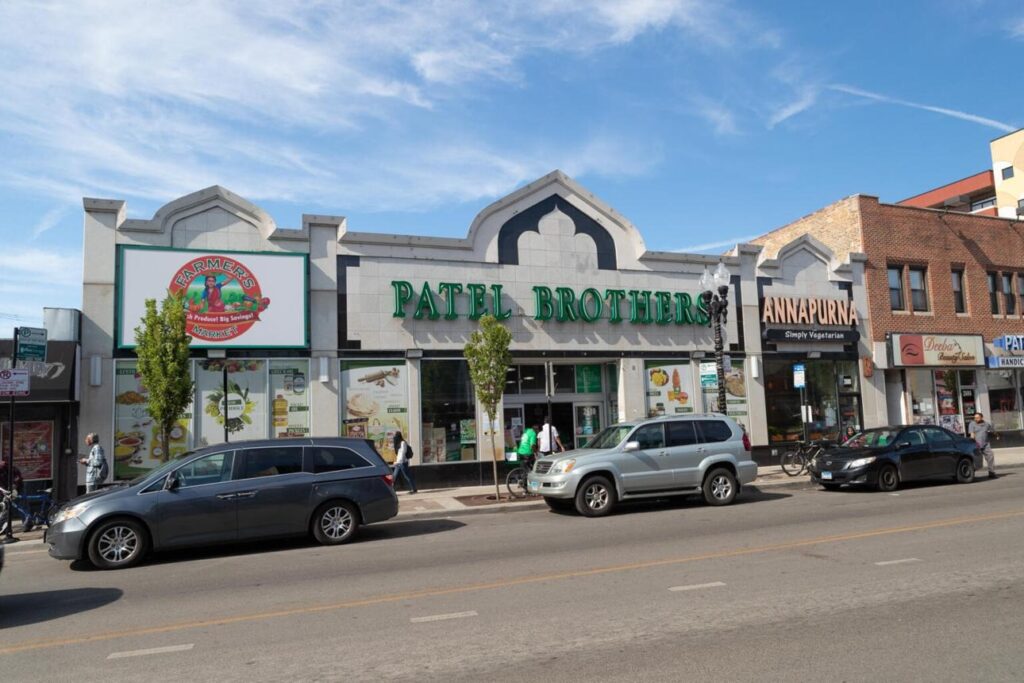
For years, Devon Avenue has been wrapped in nostalgia.
Ask anyone and you’ll hear the same line: “It’s not what it used to be.”
That’s not an observation. That’s resistance to change.
Because the truth is simpler—and harder to accept: Devon isn’t declining. It’s transitioning. And a lot of people aren’t keeping up.
The Comfort of the Past Is Killing the Present
There’s a certain pride in legacy. Shops that have been around for 20, 30, even 40 years. Families who built something from nothing.
But pride has quietly turned into complacency.
Walk down Devon today and you’ll still see:
- Faded signage that hasn’t been updated in decades
- Storefronts that don’t communicate anything beyond “we exist”
- Businesses that rely entirely on memory—“people know us”
Here’s the problem: memory doesn’t bring in new customers. Visibility does.
And the next generation? They don’t inherit loyalty. They choose it.
The New Customer Doesn’t Think Like You
The younger audience walking Devon isn’t comparing it to 1998. They’re comparing it to everything else they see daily—SoHo cafés, TikTok food spots, clean Shopify stores, seamless ordering experiences.
They care about:
- How a place looks before they even step inside
- Whether it shows up on Google, Instagram, or maps
- If ordering is easy, fast, and frictionless
- Whether it feels worth sharing
If your business doesn’t meet them where they are, they don’t argue.
They just leave—and go somewhere that does.
The Gap No One Wants to Admit
There’s a growing disconnect between many legacy business owners and the customers they think they understand.
Owners say:
“Our food is better.”
“We’ve been here for years.”
“People know us.”
Customers are saying—silently:
“I didn’t even know you existed.”
“This looks outdated.”
“I’ll just order from somewhere easier.”
That gap? It’s not about quality.
It’s about relevance.
What’s Actually Working Right Now
Not everything on Devon is stuck.
The businesses that are gaining attention are doing a few things differently:
- Clean, intentional branding that feels current—not accidental
- Consistent presence on Instagram and Google
- Content that makes people want to visit, not just informs them
- Clear menus, pricing, and ordering systems
- Visual storytelling—food, space, experience
They’re not necessarily better in product.
They’re better at being seen.
And right now, that’s what wins.
This Isn’t About Losing Culture
There’s a fear behind all this:
“If we modernize, we lose what makes Devon… Devon.”
That’s lazy thinking.
Culture isn’t in outdated fonts or dusty displays.
It’s in the food, the people, the stories, the experience.
You don’t preserve culture by freezing it.
You preserve it by making sure it survives in the present.
The Question No One Wants to Answer
So here’s the real question:
Are Devon’s legacy businesses evolving… or slowly becoming irrelevant?
Because the market isn’t waiting.
Customers aren’t adjusting backward.
And attention isn’t given—it’s earned.
Devon Avenue doesn’t need to go back to what it was.
It needs to decide what it’s becoming.
And not everyone is going to make that transition.

